How Do Online Schools Create a Safe Learning Environment for K-12 Students?
byConnections Academy
6 min to read
Creating a safe school day is about more than where your child learns. It starts with whether they feel protected, supported, and prepared.
At Connections Academy, students learn from home with certified teachers and Learning Coaches. Together, they create a learning environment that's grounded in students feeling academically, socially, emotionally, and digitally secure.
In this article, we’ll explore exactly how online schools create a safe online learning environment where students can thrive.
What Does "Safety" Mean in an Online School?
Many families want to understand how online schools support safety across a few connected areas:
Physical safety, including the student’s learning space at home
Emotional and social safety, including addressing bullying and peer interactions
Digital safety, including how students use online tools and classroom spaces
Data privacy, including how student information is protected
For students, this means being able to focus, get involved, ask questions, and build relationships with their teachers and peers. That’s why online school safety depends on both the technology students use and the people supporting them each day.
How Do Online Schools Support Physical Safety?
One of the biggest benefits of online schools is that students can learn in a familiar home environment.
This lowers on-campus concerns for many families, like physical altercations, stressful school environments, or unsafe commutes. It also gives families more visibility into where and how their child spends the school day. Of course, that doesn’t mean online schools automatically remove every safety concern.
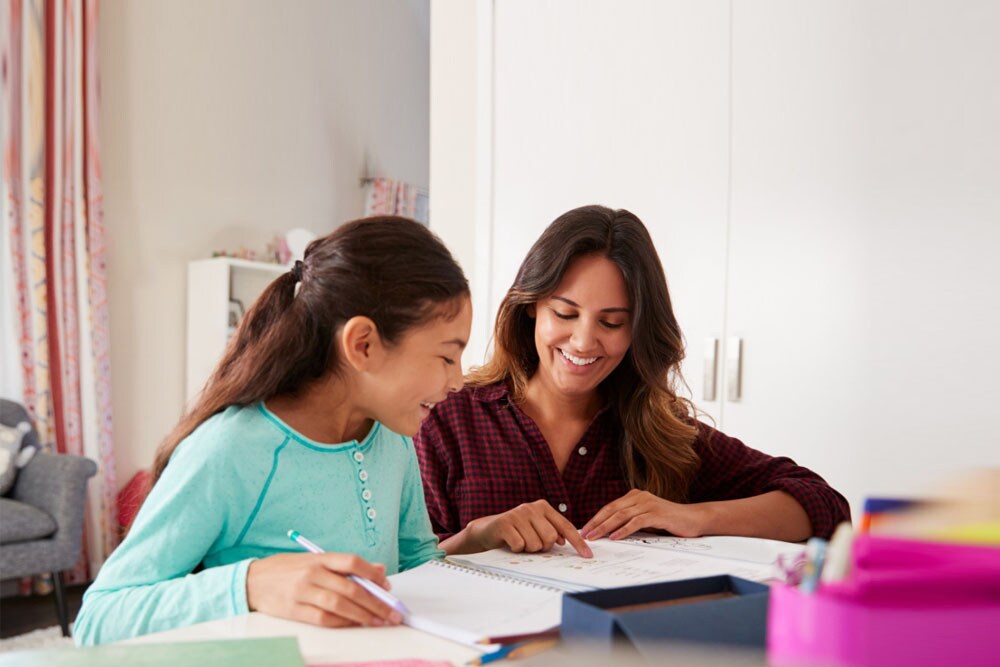
Students still need the right learning space and daily support. At Connections Academy, this is where families and Learning Coaches play a big role, creating routines that make the school day feel calm and manageable. Helpful steps include:
Setting up a consistent place for schoolwork
Providing age-appropriate supervision
Building in healthy breaks
Helping students manage their schedules and classwork
Keeping open communication with teachers and school staff
It’s all about giving families more flexibility to shape a learning environment that works for their child, while still giving them the structure of a public-school program.
How Do Online Schools Address Bullying and Emotional Safety?
Bullying can still happen in digital spaces, so online schools need clear rules for how students communicate and behave.
Inside a virtual classroom, students can interact through live lessons, chats, discussion boards, email, and group projects. Teachers guide these spaces by setting expectations for respectful communication and stepping in when behavior doesn’t meet school standards.
It’s still important for students and families to know how to report bullying or inappropriate behavior, who to contact for help, and what steps the school might take in response. A safe online school creates clear rules, adult guidance, and a reliable process for raising and addressing concerns.
How Do Online Schools Support Student Mental Health and Wellbeing?
Safety also includes mental health, confidence, and a sense of belonging. To really thrive, students need more than just lessons and assignments—they need consistent encouragement, connection, and support.
At Connections Academy, students have access to counselors and school support staff who can help with academic planning, stress, anxiety, or social-emotional wellbeing.
There are also plenty of opportunities for connection. Live classes, clubs, activities, and school events help students build relationships and feel part of a community. Having structured peer interactions also makes sure that students don’t just learn independently—they learn together.
Teachers and Learning Coaches also play a big role in creating a safe online learning environment—keep reading to find out how later in this guide.
How Do Online Schools Keep Students Safe Online?
Having a student who attends school online isn’t the same as sending students onto the open internet. A well-run virtual classroom is still a structured, supervised school space: students sign in, teachers guide the experience, and expectations are clear.
Online schools typically use dedicated learning platforms where students access lessons, assignments, classroom tools, and communication features. Secure logins help students enter the right learning environment and use the materials meant for them.
As you might expect, the role of teachers and staff is critical in an online environment. Not just by setting expectations for using the learning platform, but also by teaching students about respectful communication and responsible online habits.
How Do Online Schools Protect Student Data and Privacy?
Naturally, student safety includes taking care of their personal and academic information.
Families should feel comfortable asking how an online school collects, stores, uses, and protects student data. A trustworthy school should explain what information is collected, why it’s needed, who can access it, and how it’s protected.
Schools in the United States must follow privacy rules, including FERPA, that protect student education records. Responsible privacy practices might include secure IT systems, protected logins, limited access to student access, and clear communication with families.
What Role Do Teachers and Learning Coaches Play?
In online schools, safety isn’t handled by technology alone. It comes from teachers, families, Learning Coaches, counselors, and school staff working together.
Teachers create structure, guide lessons, set expectations, and help identify academic, behavioral, or emotional concerns. Learning Coaches support daily routines at home, reinforce healthy habits, and help students use technology safely. While virtual schools create safe learning platforms, families should still monitor any online activity students may participate in outside of that learning platform.
When school and home communicate early and often, it’s easier to prevent small concerns from becoming bigger ones.
Helping Students Feel Safe, Supported, and Ready to Learn
So, how do online schools create a safe environment? It depends on the quality of the program, the support available, the technology used, and the learning environment families can create at home. A strong online school creates safety through many layers: teacher guidance, clear behavior expectations, secure platforms, privacy practices, emotional support, and close partnership with families. At Connections Academy, students are supported by certified teachers, school staff, and Learning Coaches who work together to help them feel safe, stay connected, and learn with confidence.
Explore the online school community to see how students connect, participate, and feel supported beyond daily lessons.
FAQs About Online School Safety
Are online schools safer than traditional schools?
Online schools can reduce some in-person safety concerns because students learn from home. But safety depends on the program, technology, support available, and learning environment families create.
Is my child’s personal information safe in an online school?
A reputable online school should explain what data is collected, why it’s used, who can access it, and how student records are protected.
Do online schools have counselors?
Access can vary— at Connections Academy, every student has access to counselors and student support staff who can help with academic planning, stress, anxiety, and social-emotional concerns.
How do online schools handle inappropriate behavior in class?
Expectations are set for live lessons, chats, discussion boards, email, and other digital interactions. Teachers and staff can monitor classroom spaces and respond when concerns arise.
Can my child still socialize in online school?
Yes! Students can connect through live classes, clubs, activities, school events, and peer groups. Families can also support socialization through hobbies, sports, volunteering, and local community programs.
What if my child is being bullied in an online class?
Families should report concerns to the teacher or school staff as soon as possible. A strong online school should have a clear process for addressing bullying and supporting the student.
Related Posts

Ready to Learn More About Connections Academy?
Explore the benefits of attending Connections Academy, a tuition-free, accredited online public school that’s passionate about helping your child thrive.