Get Reading! 5 Ways Reading Can Improve Your Child’s Mental Health 

4 min to read
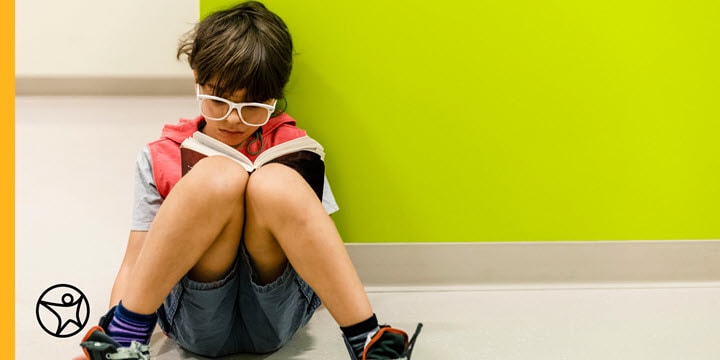
A young boy sitting and reading a book

You may know about the many academic benefits of reading, but did you know that reading can improve your child’s mental health? Many children and adolescents experience mental health issues as they navigate the changes that come with growing up, including feeling depressed, isolated, and anxious about the future.  

To help your child persevere and work through their feelings, visit your local library or grab a book from your bookshelf! Here are five ways reading can improve your child’s mental health, along with book recommendations for students of every age.  


Reading Reduces Depression  

Reading is an escape into a different world, where your child can connect with characters that are on great adventures. Getting lost in a fun story can bring laugh-out-loud moments—and offer a long-lasting boost to your child’s mood to help fight off feelings of depression.   

Check out these fun books that will help improve your student’s mood: 


Reading Provides a Safe Way to Explore Emotions   

Children can feel a range of emotions as they grow up, which could affect their mental health. Sometimes they may think they are the only people who feel the way they do or who have ever gone through what they are experiencing, which can be isolating. They also may not know how to handle the emotions they are feeling in a positive or constructive way. Books about the emotions they are experiencing help show that they are not alone, and that what they are feeling is perfectly normal. Reading about others’ experiences also offers tips on how to work through issues on their own.  

Here are a few titles to help students understand the emotions they may be feeling:  


Reading Helps Students Wind Down Before Bed 

Kids today are bombarded with information—and constantly on the go! Between school, homework, cell phones, and extracurricular activities, it’s hard to shut down at night and go to sleep. Students need sleep for their overall well-being. Reading is a great way to calm the mind and relax, which helps students fall asleep. Even 15 minutes of reading each night can help children fall asleep.  

Here are some great books for your student to read before bed:  


Reading Reduces Stress 

Students are experiencing unprecedented levels of stress in recent years, leading to a spike in associated mental health problems, including anxiety. Reading is a great way to escape the issues happening in their lives and gives them an escape into a new world. Reading focuses your mind, taking it off of the issues that are causing stress and anxiety. There is also a study that shows 30 minutes of reading could reduce stress as much as a 30-minute yoga session! 

Here are several titles to help relieve a little stress:  


Reading Helps Children and Adolescents Make Connections 

One of the contributing factors to mental health issues in kids and teens is the feeling of isolation, which was exacerbated during the pandemic. Kids often feel disconnected with friends and struggle maintaining relationships. Reading brings kids into a world where they can feel connected with the characters. It takes them to a place where they feel like they are part of the action. Another benefit of reading is that kids learn the nuances of relationships, which will help them form more meaningful friendships in their daily lives. They develop empathy, a trait that will help them make better connections with friends and classmates. 

Here are some titles to help kids learn about relationships:  


Other Resources to Support Your Student 

Navigating the adolescent years can be hard for both you and your child, but know that you are not alone. Connections Academy® offers a community of parents, staff, and teachers that are invested in supporting your family and ensuring the well-being of your student throughout their educational journey. Find additional support resources on the Connections Academy Resource Hub

Remember to grab a book with your child to celebrate National Read a Book Day, National Reading Day, and Read Across America Day. It’s good for your mental health!

E-guide for Connections Academy with a green background and a graphic of a laptop with the purple eGuide.

Ready to Learn More

About Connections Academy?

Explore the benefits of attending Connections Academy, a tuition-free, accredited online public school that’s passionate about helping your child thrive.  
Get Your Free eGuide


Related Posts

  • How to Recognize the Warning Signs of Bullying and Take Action!

    by Beth Werrell

    young boy sits on floor reading book

    Has your child been the victim of bullying? Bullying is defined as repeated, unwanted aggressive behavior designed to intimidate, harass, exclude, humiliate, harm, or coerce another person. Bullying can be physical violence or verbal taunting, and is a serious situation that needs to be addressed.

    While someone being bullied may feel isolated or ashamed, making him or her less likely to reach out for help, there are warning signs you can look out for. Connections Academy® parents share their stories of bullying and how they took action to help below.


    Changes in Behavior May Signal Bullying

    Has your vibrant, happy child turned quiet and withdrawn? Or perhaps your independence-loving teen has become more clingy? These parents noticed changes in their children’s behavior and stepped in:
     

    Unfortunately, my son experienced bullying. He became very quiet and always seemed sad; he started to not want to go to school and had a stomachache all the time. I talked with my son all the time and allowed him to be angry and hurt, assuring him that the bullies were wrong. I told him every day that he is enough and has a great purpose. He still struggles to this day.”

    —Washington Connections Academy Parent


    My daughter left school due to severe bullying. I knew it was happening when I noticed her withdrawing from family activities and sleeping a lot.”

    —Georgia Connections Academy Parent


    My child experienced bullying. She was being shoved down. The bully was also taking her things and breaking them. She was crying every morning, not wanting to go to school, and coming home crying every day. Her gifted teacher told her the school was not where she needed to be; she needed a better school. I finally checked her out of school and homeschooled her a few months and then found Connections Academy. Her attitude changed so much! There was no more crying. The nightmares stopped!”

    —Texas Connections Academy @ Houston Parent


    Is Depression a Sign of Bullying?

    Bullying can lead to lasting struggles with depression. Some students drop out of school or self-harm.


    My oldest daughter suffered from depression and anxiety from bullying. I brought her home to a safe environment and started at Connections Academy. She graduated with honors.”

    —Kansas Connections Academy Parent


    My daughter experienced bullying in the 7th grade. She didn’t want to attend school, wouldn’t come out of her room, and disconnected herself from us as a family. She went into a depression. She had to go through lots of therapy and had family support.”

    —New Mexico Connections Academy Parent


    Bruises and Other Physical Signs of Bullying

    Unfortunately, some bullies will become physically aggressive. Some children will have bruises or other injuries they don’t want to talk about. Other children will have headaches or other “illnesses” and say they don’t want to go to school.


    My kids have been bullied. I knew because they had bruises and cried about other painful injuries. We spoke to the school superintendent after trying to deal with the school principal. When that didn’t work, we put our kids in Connections Academy.”

    —Colorado Connections Academy Parent


    I knew it was happening because they were getting ‘hurt’ at school but wouldn’t say how. They didn’t want to go to school and had a lot of sick days though they loved school. I specifically helped my kids by helping them find the words to stay safe and by signing them up for group activities.”

    —Oregon Connections Academy Parent


    Connections Academy can make a difference for students who have suffered from bullying. Students can take courses and electives approved by their local school system and delivered within the safety and comfort of your home. Freed from the distraction and anxiety caused by bullies, Connections Academy students can excel.

    With a choice of clubs, extracurricular activities, field trips, and online groups, your student will have a social circle he or she can choose to interact with. If you’d like more information about Connections Academy’s tuition-free online public school for grades K–12, check out the comprehensive school eGuide.

    read more
  • Help Your Children Take a Stand Against Bullying

    by Beth Werrell

    A group of teenage girls holding up a "Stop Bullying" sign.

    October is National Bullying Prevention Awareness Month, making this a great time for families to take a stand to help put an end to the damaging behavior of bullying. Once thought of as a rite of passage, bullying is a serious problem that can have a long-term negative impact on the victim, the bully, and the bystanders. As a parent, you have the power to make a difference by encouraging your children to treat others with kindness and by making sure they are well-informed and know what to do if bullying occurs.

    Whether it occurs online or in person, bullying is defined as unwanted aggressive behavior that involves a real or perceived power imbalance. A child who is being a bully uses this power, whether it be physical strength, popularity, or the possession of embarrassing information, to control or harm his or her target. Various types of bullying can be challenging to overcome, and some families enroll their students in online school to give them a safe learning environment in which to regain their confidence.

    Whether your children attend online public school, online private school, a local bricks-and-mortar school, or homeschool, you owe it to them to talk about bullying. The resources listed below can help your children take a stand against bullying:

    • Encourage your children to treat others with kindness and compassion.
    • Try prompts to help you begin the discussion.
    • Check out bullying awareness resources for parents to educate yourself.
    • Share stories of real people who have overcome bullying.
    • Talk about how to respond to bullying, including how to help someone who is being bullied.
    • Direct your student to bullying awareness and prevention websites for young children and for teenagers.
    • Talk to your children about safe cell phone use.
    • Encourage your kids to practice internet safety as smart digital citizens.
    • Discuss how to respond to cyberbullying and online bullying.

    While you make your children aware of bullying and cyberbullying, you may also want to consider ways that you can model kindness toward and acceptance of people who are different. Your actions and an honest discussion about avoiding and responding to bullying gives children the tools they need to feel confident in what has become an all too common situation for how to help your children take a stand against bullying.

    To learn how you can educate your child from home and be more involved in your child’s learning through online public school, visit the Connections Academy website. Or to learn about online private school, visit Pearson Online Academy ’s website.

    read more