Connections Academy Blog

Explore our free online blog with a wide variety of resources for parents, caretakers and students, including knowledge articles, interactive guides, activities, learning materials, and more!

The Online School Difference
Curriculum & Skills

Learning Coach Success

Sorry, there are no blog posts to display.

Learning Environment & Community

  • Ultimate Guide to Brain Breaks and Brain Boosters for Kids

    by Dirk Lester

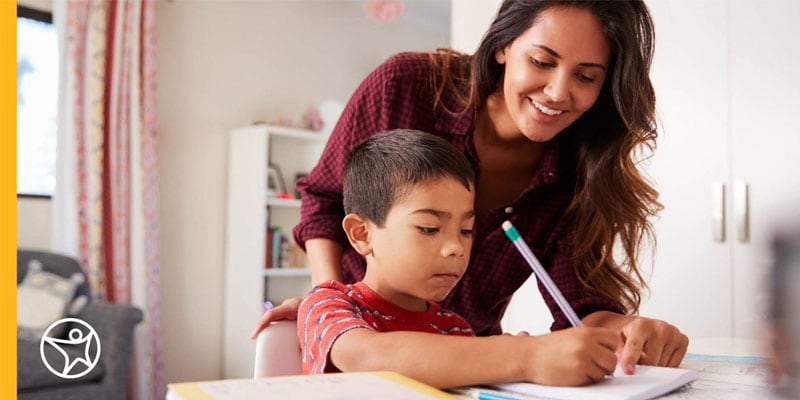
    Young online student writing in a notebook

    “If you get tired, learn to rest, not to quit.” — Banksy  

    If you’ve seen this quote around, you aren’t alone. The world can be a stressful place for parents and teachers, and that’s especially true for kids nowadays. Their school days are different. Their home lives are different. Even the ways they’re allowed to play have changed. That’s a lot of uncertainty for children to have to process on their own. It’s unresolved anxiety that can manifest in them in a variety of ways—from impulse control issues or social withdrawal to having trouble sleeping or problems concentrating on their schoolwork. Fortunately, they aren’t on their own; they have you, you have us, and we have a suggestion: Brain breaks and brain boosters.  

    Brain breaks for kids are great tools for increasing and focusing their energy during the day. 

    Why? Because giving them positive, structured ways to spend five to 10 minutes away from their schoolwork or homework can keep their minds sharp and focused during the day. The American Academy of Pediatrics(opens in a new tab) (AAP), has actually recommend mind-body techniques such as brain breaks and movement-based brain boosts, as they offer children a variety of physical benefits, including increased oxygen flow to their heart and lungs, calmer nervous systems, and decreased production of stress hormones.  


    Here are a few reasons to add breaks and boosters to your child’s routine: 

    • Breaks are an overall health and wellness benefit. 
    • Breaks enhance kids’ social-emotional growth. 
    • Breaks sharpen the short-term memory. 
    • Breaks reduce anxiety and ease burnout. 
    • Breaks facilitate improved academic achievement. 
    • Breaks improve behavior in and out of the classroom. 
    • Breaks boost attention span and motivation to learn. 
    • Breaks keep kids from being overwhelmed by boredom or fatigue. 


    How Do Brain Breaks and Brain Boosters Work?

    The United Nations Children’s Fund(opens in a new tab) (UNICEF) defines brain break activities as  short-structed mental breaks for children and opportunities to recharge at regular intervals. Though they’re typically utilized in traditional classroom settings, they can be used at home to good effect.  

    The neuroscience of it is fascinating. Brain breaks for kids support natural cognitive function by increasing the oxygen flow to the brain, supporting neural health, and improving memory. They activate unused networks of children’s brains, shifting the workload away from regions blocked by work or stress and giving them the time they need to reset and refocus. You see, for your child to learn something new, that new information has to pass through a filter in their brains called the amygdala. Unfortunately, when they get anxious or they’re overwhelmed, that filter closes. Opening it again is where brain breaks come in.  


    Best Practices for Brain Breaks and Brain Boosters 

    The best time to schedule your kid’s brain break or brain booster is immediately after they’ve completed an assignment. That way, they will be less likely to lose focus as they are overwhelmed by boredom or fatigue halfway into the next one. These breaks should be short—between five and 15 minutes—involve physical activity of some kind,(opens in a new tab) and give children the chance to rest whichever academic skills they were using prior to them. In other words, you shouldn't give them a math-focused break after math. You should also tell your kids that you’ve planned breaks and boosters, so that they look forward to them as they work. 


    Here are the three basic types of Brain Breaks and Brain Boosters: 

    • Physical Breaks and Boosters will help your kids feel re-energized and re-invigorated after periods of physical inactivity. Breaks and boosters of this sort(opens in a new tab) typically revolve around short bursts of exercise—including dancing, jogging in place, or simply doing a set of jumping jacks.  
    • Social Breaks and Boosters usually involve connectivity and social collaboration. These breaks foster teamwork(opens in a new tab), develop kids’ problem-solving skills, and tend to focus on communication. These breaks revolve around short games, puzzles, and problem-solving. 
    • Mindfulness Breaks and Boosters will help you slow your kids down after high-energy assignments. They’re designed to calm and re-center children by giving them time to process periods of intense learning in order to reduce stress and strengthen focus(opens in a new tab). These breaks involve activities such as light yoga, meditation, journaling, and sensory exercises.  


    Ideas for At-Home Brain Breaks and Brain Boosters for Online Learning

    Use these ideas for brain breaks and brain boosters to build a list of activities(opens in a new tab) you can pull from. Whether your kids are in elementary, middle, or high school, you can find breaks and boosters(opens in a new tab) that work for them: 

    • Play a couple of your kids’ favorite tunes and have a two to three song long dance party. 
    • Join your kids for a quick but energetic round of Telephone, Simon Says, or Follow the Leader. 
    • Toss a ball around, go for a quick jog around your house or yard, or set a jumping jacks challenge. 
    • Practice spelling or vocabulary by choosing a word and then having your kids write it in the air. 
    • Start a quick, silly questions game with your kids such as  “Would You Rather” or  “Four Corners.” 
    • Tell a collaborative story with your kids, where one person starts the story and then you alternate turns, adding details to it as the story evolves. 
    • Have your child create a secret handshake that will just be between the two of you. 
    • Teach them an activity that encourages mindfulness, such as meditative breathing or a child-suitable yoga pose. 
    • Give your kids a few minutes to color, doodle quietly, or write in their diary or journal. 
    • Find a brain teaser or riddle related to a subject you’d like them to focus on. 
    • Brainstorm with them to come up with a few future brain breaks and brain booster activities.  


    By incorporating brain break and brain booster activities like these into your kids’ at-home learning schedule, you’ll make it more positive, more productive, and more fun. And Connections Academy® will be here to lend a hand. Our online Resource Hub was designed to help parents foster a stimulating learning environment that facilitates the achievement, growth, and resiliency of their children.  

    read more
  • 5 Ways to Improve Your Child's Self-Esteem

    by Dirk Lester

    Female student wearing sunglasses and smiling - Connections Academy

    Many children are returning to classrooms after experiencing two years of  COVID-19-related uncertainties—lockdowns, social distancing, remote learning, cases spiking then waning then spiking again. So, it isn’t surprising that, in addition to learning losses, surveyed educators are noting that students have also fallen behind socially and emotionally. Saying in effect that the pandemic’s disruptions have negatively impacted the already fragile self-confidence and self-esteem of the children in their care.    

    Understandably, parents everywhere are worried about their student’s ability to bounce back from these unprecedented times. Studies have shown for decades that children lacking in self-esteem will be reluctant to try new or challenging things because they’re afraid of failure and disappointment. That anxiety and habit of withdrawn passivity can end up holding them back as they grow older and even come between them and a successful career.  

    Of course, the opposite can also be true. Children who have high self-esteem tend to tackle the challenges they face more readily, have more success in school, and typically experience fewer personal and behavioral issues over time. Unfortunately, for parents, helping your child build that self-esteem can be tricky. Simply praising won’t be enough and overpraising children can do more harm than good. Raising a confident child will require more than compliments. Your kids will need help developing the skills to overcome challenges. 


    How Children Develop Self-Esteem

    Children gain self-confidence and self-esteem slowly over time. It begins to develop when they feel safe, loved, and accepted, then it grows as they receive positive attention for being able to do more things by themselves. Kids feel better about themselves as they use new skills, and that burgeoning self-esteem is nurtured by parental attention, by letting kids try, then showing pride.  

    One of Connections Academy’s certified school counselors, Karen Muston, put it this way: “You can help your child feel more secure by reminding them that it is perfectly okay to fail or to be imperfect, since the best learning experiences happen through our failures. Make it a norm to talk about the challenges and failures on a regular basis and reframe those as a positive experience.” 

    Basically, anytime your children learn new things or try new things, the experience can boost their self-esteem, even when they fail. Here are a few examples of esteem-building opportunities: 


    Your Children Will Build Self-Esteem…

    • By making progress toward their goals 
    • By feeling accepted and understood 
    • By practicing their favorite activities 
    • By helping, giving, and being kind  
    • By trying hard or doing their best 
    • By feeling included by their families or peers 
    • By learning new skills—whether related to sports, music, or another art 
    • By being acknowledged—winning a prize or getting a good grade they’ve earned 


    Build Confidence and Raise Self-Esteem

    As you can see, building the confidence and raising the self-esteem of your kids will come down to doing three things: Making them feel capable and accomplished; ensuring that they know that their accomplishments impact those around them; and, finally, letting them know that you accept and value them by offering positive attention. Karen added, “Giving our full attention and actively listening is one way to show others that we love them. It is important to be fully present in conversations since this is how we convey our value for that person and their thoughts and feelings.” 


    Here Are 5 Ways to Improve Self-Esteem Depending on Your Child’s Grade Level:

    Self-Esteem for Kids in Elementary School: 

    1. Give them a simple task or chore to accomplish every day. 
    2. Reinforce actions and consequences. 
    3. Model good listening skills for them. 
    4. Let them take healthy risks and make age-appropriate decisions. 
    5. Be honest and give consistent and specific complimentary feedback. 

    Self-Esteem for Kids in Middle School: 

    1. Model self-reflection for them. 
    2. Promote exercise, good nutrition, and mindfulness. 
    3. Include them in family discussions and decisions. 
    4. Recognize their specific areas of strength. 
    5. Encourage activities that develop their areas of strength. 

    Self-Esteem for Kids in High School: 

    1. Remind them of their value as often as you can. 
    2. Teach them problem-solving skills. 
    3. Model flexible thinking for them. 
    4. Encourage them to become active in your community through volunteerism. 
    5. Guide them through setting challenging but achievable goals for themselves. 

    That last one is particularly important because, as Karen said, “Once they see they can successfully reach a goal, this tends to give them the confidence to achieve other goals that may be more challenging. It is also a good idea to celebrate every victory and point out their specific strengths that helped them to be successful.” 

    One thing you’ll have to remember to do at every age is to praise your children carefully. Praise can backfire. Don’t overpraise. Kids are sensitive, so when your praise doesn’t feel earned, it won’t ring true. Focus on effort rather than results or qualities they can’t control (e.g., smart, pretty, athletic). Instead, praise effort, praise progress, praise attitude. That way, your praise will be a reward rather than pressure to perform.  


    How to Raise a Confident Child

    There are more ways to make a difference in your child’s self-esteem than we had space to list, so don’t be afraid to try new things. It’s International Boost Self-Esteem Month, so you’ll find fresh tools online, published with educators in mind, that you can use at home. It’s possible to boost your child’s self-esteem, if you help them feel secure, loved, and capable, but all of these elements must work together.  

    If you are interested in learning how you can be more involved in your children’s education and enjoy opportunities to help them build character and develop self-confidence and self-esteem, you might also be interested in this article

    read more

Connections Academy News Releases

Learn More About Us

Get Our Free eGuide

Our free eGuide is designed to help you feel empowered to make the best decision for your child’s learning journey. Get a sneak peek at the online school experience, and we’ll give you a call to answer your questions. Our eGuide includes:

Sample Schedules

Sample Lessons

Student Stories

Do you reside in the Appleton Area School District?
SMS Opt-In

Thanks for getting in touch,

We appreciate you taking the time to sign up for our free eGuide. We look forward to sharing all the ways our online public school can help your child thrive.